SpicyWhite Radish Salad
The Chinese seldom eatvegetables that have not been cooked thoroughly, but this one is an exception.These large radishes -- which you can often find in American supermarkets --are especially sweet and lend themselves to being eaten raw. Topping this dishoff with a large spoonful of crushed, roasted nuts will add even more flavorand texture.
Ingredients
1large white, Daikon radish (if unavailable, 2-3 turnips may besubstituted)
3-4 clovesof garlic
1 slice ginger(about the size and thickness of a quarter)
1 tsp.(5 ml.) vegetableoil
2 Tbsp.(30 ml.) sesameoil
3 Tbsp.(45 ml.) soysauce
3 Tbsp. (45 ml.) dark vinegar(but white will do)
1 tsp. to1 Tbsp. (5 to 15 ml.) hotsauce, to taste (Chinese cooks use a paste made with hot peppers, but Tabasco sauce may besubstituted)
Method
- Wash and peel the radish and slice it into strips about 2-3 inches (5-7 cm.) long and 1/4 inch (6mm.) wide. Crush the garlic and chop the ginger, mixing them together into a smooth paste.
- Mix all the ingredients (except the radish) together and add them to the garlic-ginger paste. Blend them well into a sauce.
- Arrange the radish pieces on a serving plate, cover with the sauce and serve.
Notes:
1. The other night, when I couldn’t find a daikon radish at mylocal market, and didn’t feel like essaying the turnip version, I substitutedinstead a combination of thinly sliced red radishes and baby bok choy. It was excellent. I have not tried adding the crushed roastednuts yet, but I imagine it would be wonderful.
2. Chinese dark vinegar is a complex blend from the Chinkiang Province ofChina made of glutinous rice and malt. Ihave seen it in both extremely affordable (at Chinese groceries) and overlyexpensive versions (at Western specialty markets). It is somewhat similar to abalsamic vinegar, which may be substituted. Another “close enough”equivalent might be a red rice vinegar with asmall amount of superfine sugar added.

Fried Eggs With Chives
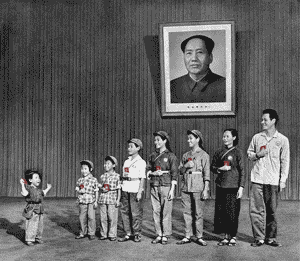
The Chinese adore this combination of flavors;they feel eggs and chives are a match made in heaven. This dish was popular among peasants andsent-down youth because both principal ingredients could be raised at homelegally and consumed privately during most of the Cultural Revolution.
Ingredients
1 largebunch chives (about the diameter of a half-dollar or 30 mm). (Chinese chives recommended, if possible.)
4 eggs
Dash of salt
5 tbsp.cooking oil
Method
1. Rinse off the chives and cut them intosmall pieces, each about an inch (2.5 cm)in length.
2. Beat the eggs and add thesalt. Heat the oil in a wok. When it begins to smoke, add the chives andstir-fry them until their color changes into a deep green. This should takeabout a minute.
3. Add the eggs and stir-fry them until theysolidify. Remove and stir.

Steamed Savory Egg Custard
This was a particularly popular dish duringthe Cultural Revolution because it did not require oil, which was strictlyrationed, and because portions could be increased by dilution so that addingmore water meant feeding more people.
Ingredients
2 eggs
3 ½ cups (900 ml.)cold water
Dash of salt
¼ scallion (spring onion)
1-2 Tbsp. sesame oil(optional)
Sprig of cilantro or parsley (for garnish; optional)
Method
1. Beat the eggs in a dish and add 1 ½ cups(about 400 ml.) of the water and the salt. Mix well. Cut the scallion intosmall pieces.
2. Put the mixture in a heat-safe dish witha cover. The covered dish should fitinside your wok. Add the remaining waterto the wok and bring to the boil.
3. When the water begins to boil, place thecovered dish in the wok and then cover the wok itself. Turn the heat down to medium and simmer for 10minutes.
4. Remove from the wok. Just before serving, sprinkle the scallionand drizzle the sesame oil (if desired) on top of the custard. Garnish and serve.

Vinegar-Glazed Chinese Cabbage
This dish is most common in north China, wherecabbage enjoys a longer growing season. It is best when made with dark vinegar. Even balsamic vinegar, which is not native to China, gives it awonderful flavor.
Ingredients
1 small head of Napa cabbage
3 cloves of garlic
1 Tbsp. (15 g.) cornstarch
2 Tbsp. (30 ml.) cold water
4 Tbsp. (60 ml.) cooking oil
3 Tbsp. (45 ml.) dark vinegar
Dash of salt
Method
1. Rinse the cabbage thoroughly and removeany brown leaves. Slice the leaves inhalf lengthwise and then crosswise into shreds that are approximately 3-4 inches (7-10 cm.) long.
2. Slice the garlic into thin pieces. Combine the cornstarch and the cold water (itmust be cold to avoid lumps) and make a smooth paste.
Heat the oil in a wok until it just begins to smoke. Then add the garlic and stir-fry for 10-15seconds.
3. Add the cabbage and stir-fry for about two minutes, until it hassoftened completely. Add the vinegar andsalt and stir-fry for 10 more seconds until it is completely mixed.
4. Then add the cornstarch mix and continue tocook. The liquid will thicken quickly. Transfer to a platter and serve.

Vinegar starts here
NOTES:
1. My previous entryabout The Cultural Revolution Cookbook proved to be extremely popular, so I thought posting afew more of the delicious recipes would be a good idea and, I hope, encourage readersto buy the book, which is both inexpensive and incredibly worth owning.
It has been great to see Sasha Gong and Scott D. Seligman’s work receiving very good reviews and what seems to be a lot ofattention in the press.

2. Regular visitors here may have noticed that I tend to postvegetarian recipes (and sometimes fish and seafood), but I’d like to mention thatThe Cultural Revolution Cookbook alsocontains excellent meat, poultry, fish and seafood dishes. The book’s hallmarks are simplicity, community and humanity, all scarce ingredients in these current dark and angry days.
So, for all the people who are unlikely to be daily lunching on Dover sole anddining on Wagyu beef, thismay be
Your Big RedBook.